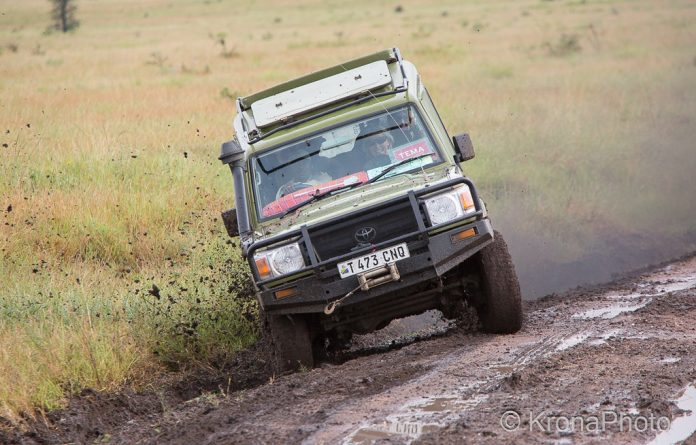
Planning an African safari often starts with one important question: Should you choose a self-drive safari or a guided safari?
Both options offer unforgettable opportunities to explore Africa’s wildlife, landscapes, national parks and local communities. However, the experience can be very different depending on whether you drive yourself or travel with a professional safari guide.
A self-drive safari gives you freedom, privacy and flexibility. You choose your route, decide when to stop and control your daily schedule. A guided safari, on the other hand, gives you professional wildlife knowledge, easier logistics and the convenience of having an experienced driver-guide handle the journey.
For travelers exploring Tanzania, Kenya, Uganda, Rwanda and other parts of East Africa, understanding the differences between the two options can help you choose the safari that best matches your travel style, budget and experience.
What Is a Self-Drive Safari?
A self-drive safari is an independent safari where you rent a suitable 4×4 vehicle and drive yourself through national parks and other destinations.
Instead of traveling with a driver-guide, you are responsible for driving, navigation and following park regulations. Depending on your rental package, you may also have camping equipment such as a rooftop tent, mattress, fridge, cooking equipment, chairs and tables.
Self-drive safaris are particularly popular with experienced travelers, couples, families, photographers, overland travelers and people who enjoy adventure and independence.
A typical Tanzania self-drive safari might follow a route such as:
Arusha → Tarangire → Lake Manyara → Ngorongoro → Serengeti
A longer East African road trip could combine Tanzania with Kenya, Uganda or Rwanda.
What Is a Guided Safari?
A guided safari is organized around a professional driver-guide who accompanies you throughout your safari.
The guide normally handles driving, navigation, wildlife spotting and much of the day-to-day logistics. Depending on the safari package, accommodation, meals, park fees, airport transfers and other services may also be included.
Guided safaris are particularly popular with first-time visitors to Africa, travelers with limited time and people who want to concentrate on wildlife rather than driving.
A professional guide can also provide valuable information about animal behavior, ecosystems, local communities, geography and conservation.
Self-Drive Safari vs Guided Safari
The biggest difference between the two options is independence versus convenience.
With a self-drive safari, you are in control of the journey. With a guided safari, an experienced professional takes care of most of the driving and safari logistics.
Self-Drive Safari AdvantagesFreedom and Flexibility
One of the biggest advantages of self-drive travel is freedom.
You can decide when to leave your accommodation, which roads to take, where to stop and how long to stay at a particular wildlife sighting.
If you find a herd of elephants and want to spend an hour watching them, you can make that decision yourself.
You are not following another group’s schedule.
Greater Privacy
Self-drive safaris are ideal for travelers who want a private experience.
You can travel with your partner, family or friends without sharing your safari vehicle with other tourists.
This can be especially useful for photographers, couples and families who prefer their own space.
More Adventure
Driving yourself through East Africa creates a stronger sense of adventure.
Instead of simply being transported from one destination to another, you become part of the journey.
You navigate roads, discover small towns, explore different landscapes and make your own decisions along the way.
Flexible Itineraries
Self-drive also makes it easier to create an itinerary around your personal interests.
You could combine national parks with:
- Mountain destinations
- Beaches
- Cultural experiences
- Local towns
- Lakes
- Hiking
- Camping
- Wildlife photography
- Cross-border road trips
This flexibility makes self-drive particularly attractive for travelers planning longer East African adventures.
Self-Drive Safari Disadvantages
Self-drive travel also requires more preparation.
You need to understand the roads, park regulations, vehicle operation and navigation.
You are also responsible for dealing with unexpected situations such as poor road conditions, punctures or getting lost.
Driving long distances can also become tiring, especially when combining several national parks.
For first-time safari travelers, it is important to choose a reliable 4×4 and understand the requirements of the destinations you plan to visit.
Guided Safari AdvantagesProfessional Wildlife Knowledge
One of the biggest advantages of a guided safari is the experience of your driver-guide.
A good safari guide understands animal behavior, tracks, calls, habitats and seasonal wildlife movements.
This knowledge can make a significant difference when searching for wildlife.
A guide may recognize fresh tracks, understand where animals are likely to move and communicate with other safari vehicles about sightings.
Less Driving Stress
With a guided safari, you can sit back and enjoy the scenery.
You do not need to worry about navigation, road conditions or finding your way through a large national park.
This can be particularly valuable after several hours of driving.
Easier Safari Logistics
A guided safari can simplify many aspects of your trip.
Depending on the package, the safari company may arrange:
- Airport transfers
- Safari vehicle
- Professional driver-guide
- Accommodation
- Park entry arrangements
- Camping
- Meals
- Fuel
- Permits
- Route planning
- Emergency assistance
This makes guided safaris a convenient option for travelers who prefer an organized experience.
Excellent for First-Time Visitors
If you have never visited East Africa before, a guided safari can provide peace of mind.
You have someone who understands the destination and can help you navigate local conditions.
The guide can also explain cultural and environmental aspects of the places you visit.
Self-Drive vs Guided Safari Comparison
| Feature | Self-Drive Safari | Guided Safari |
|---|---|---|
| Freedom | Excellent | Good |
| Flexibility | Excellent | Moderate |
| Privacy | Excellent | Excellent on private safari |
| Wildlife knowledge | Traveler dependent | Professional |
| Navigation | Traveler responsible | Guide handles it |
| Driving | Traveler drives | Guide drives |
| Adventure | Excellent | Very good |
| Convenience | Moderate | Excellent |
| First-time travelers | Requires preparation | Excellent |
| Photography flexibility | Excellent | Excellent |
| Long road trips | Excellent for experienced drivers | Very convenient |
| Safari logistics | Mostly self-managed | Mostly handled by operator |
| Cost | Can be lower | Usually higher for private trips |
Which Safari Is Cheaper?
There is no single answer because safari prices depend on the destination, number of travelers, vehicle type, accommodation and duration.
A self-drive safari usually involves paying for:
- 4×4 vehicle rental
- Fuel
- Park entry fees
- Accommodation or camping
- Camping equipment
- Insurance
- Food
- Other travel expenses
A guided safari usually combines several services into one package.
For example, a guided safari may include the vehicle, driver-guide, fuel, accommodation and meals.
For couples and independent travelers staying on the road for several weeks, self-drive can sometimes provide better value.
For larger groups sharing the cost of a private safari vehicle, a guided safari may also become cost-effective.
Which Is Better for Families?
Both options can work well for families.
A self-drive safari gives parents more control over the daily schedule. You can stop when children need a break, change your plans and choose accommodation that suits your family.
However, a guided safari can be easier for families who do not want to deal with long-distance driving or navigation.
If children are young, having a professional driver can make the journey more relaxing.
Which Is Better for Couples?
Couples who value privacy and adventure often enjoy self-drive safaris.
You can create your own itinerary, choose where to stay and spend as much time as you like at wildlife sightings.
A guided private safari can also be an excellent option for couples who prefer comfort and convenience.
The decision largely depends on whether you value independence or professional service.
Which Is Better for Wildlife Viewing?
A guided safari generally has an advantage when it comes to wildlife knowledge.
Experienced guides spend much of their working lives in national parks and understand where animals are commonly found.
They may also communicate with other guides and respond quickly to wildlife sightings.
However, self-drive travelers can still experience exceptional wildlife viewing.
With good preparation, patience and enough time, independent travelers can enjoy encounters with elephants, lions, giraffes, buffalo, zebras, wildebeest, hippos and many other species.
Which Is Better for Photography?
Both options can be excellent for photography.
Self-drive provides maximum control. You can decide how long you want to remain at a sighting and position your vehicle according to your own preferences, provided you follow park regulations.
Guided safaris offer the advantage of a guide who may know where wildlife is likely to appear and can help identify interesting photographic opportunities.
Wildlife photographers who want complete independence may prefer self-drive, while photographers who value expert wildlife knowledge may prefer a guided safari.
Self-Drive Safari in Tanzania
Tanzania is one of the most popular destinations for self-drive safaris in East Africa.
The country offers a wide variety of landscapes and wildlife areas, including northern and southern safari destinations.
Popular self-drive destinations include:
Serengeti National Park
Serengeti is famous for its vast plains, predators and annual wildebeest migration.
Ngorongoro Conservation Area
Ngorongoro offers spectacular scenery and excellent wildlife viewing inside the Ngorongoro Crater.
Tarangire National Park
Tarangire is known for elephants, large baobab trees and diverse wildlife.
Lake Manyara National Park
Lake Manyara can be easily incorporated into a northern Tanzania safari itinerary.
Nyerere National Park
Nyerere is one of Tanzania’s major southern safari destinations and can be combined with other southern parks.
Ruaha National Park
Ruaha offers a more remote safari experience and is particularly attractive to travelers looking for fewer vehicles and a wilderness atmosphere.
Self-Drive Safari in Kenya
Kenya is another excellent destination for independent road trips.
Popular destinations include:
- Maasai Mara
- Amboseli National Park
- Tsavo East
- Tsavo West
- Lake Nakuru
- Samburu
- Lake Naivasha
Travelers can also combine Kenya with Tanzania for a longer East African road trip, subject to vehicle and border requirements.
Self-Drive Safari in Uganda
Uganda offers a different type of self-drive experience, combining wildlife with forests, lakes, mountains and primate experiences.
Possible destinations include:
- Queen Elizabeth National Park
- Murchison Falls National Park
- Kibale Forest
- Lake Mburo
- Bwindi
- Kidepo Valley
Uganda can also be combined with Rwanda or Kenya for a longer East African self-drive adventure.
Self-Drive Safari in Rwanda
Rwanda is compact and relatively easy to combine with other East African destinations.
Travelers can explore:
- Akagera National Park
- Nyungwe National Park
- Volcanoes National Park
- Lake Kivu
- Kigali
A Rwanda self-drive safari can also be combined with Uganda for gorilla trekking and chimpanzee experiences.
Can You Combine Self-Drive and Guided Safaris?
Yes.
In fact, combining the two can provide the best of both worlds.
For example, you could self-drive between major destinations and then arrange a professional guide for specific wildlife activities.
Another option is to rent a 4×4 for a road trip and use a guide for selected national parks or specialist activities.
This gives you the freedom of independent travel while still benefiting from professional local knowledge when needed.
Who Should Choose a Self-Drive Safari?
A self-drive safari is ideal for travelers who:
- Enjoy adventure
- Have previous driving experience
- Want maximum independence
- Prefer private travel
- Want flexible schedules
- Are planning longer road trips
- Enjoy camping
- Want to explore beyond the standard safari route
- Are comfortable navigating unfamiliar roads
Who Should Choose a Guided Safari?
A guided safari is ideal for travelers who:
- Are visiting Africa for the first time
- Have limited vacation time
- Prefer convenience
- Want professional wildlife knowledge
- Do not want to drive long distances
- Prefer an organized itinerary
- Want assistance with safari logistics
- Prefer to concentrate on photography and wildlife
What Type of 4×4 Is Best for a Self-Drive Safari?
A reliable, well-maintained 4×4 is essential for many East African self-drive routes.
Depending on the destination and group size, suitable vehicles may include Toyota Land Cruiser models, Toyota Prado, Toyota Hilux and other properly equipped 4×4 vehicles.
For camping safaris, a vehicle can be equipped with:
- Rooftop tent
- Mattress
- Sleeping bags
- Refrigerator or cooler
- Camping table
- Camping chairs
- Cooking equipment
- Gas stove
- Kitchen utensils
- Water containers
- Recovery equipment
- Spare tyres
- Compressor
The exact equipment required depends on your route and travel style.
Self-Drive Safari Safety
Before beginning a self-drive safari, travelers should understand local driving regulations and national park rules.
Always:
- Follow park speed limits
- Stay on permitted roads
- Keep a safe distance from wildlife
- Never leave the vehicle where prohibited
- Carry sufficient water
- Check fuel availability
- Inspect the vehicle before departure
- Carry appropriate recovery equipment
- Keep emergency contact information available
- Follow instructions from park authorities
Wild animals are unpredictable, and visitors should never approach or attempt to feed wildlife.
Final Verdict: Self-Drive or Guided Safari?
The best option depends on what you want from your African adventure.
Choose self-drive if your priority is freedom, flexibility, privacy and adventure.
Choose a guided safari if your priority is convenience, professional wildlife knowledge and having someone else manage the driving and logistics.
For experienced travelers, a self-drive safari can turn a normal holiday into an unforgettable East African road trip.
For travelers who prefer a relaxed and professionally managed experience, a guided safari remains one of the easiest ways to explore Africa.
Plan Your East African Self-Drive Safari
Ready to explore Tanzania, Kenya, Uganda or Rwanda independently?
Choose a reliable 4×4 rental with the equipment you need for your route, whether you are planning a short national park safari or a multi-country East African road trip.
Contact us to discuss your itinerary, vehicle requirements, camping equipment, border crossings and self-drive safari plans.
Start planning your self-drive safari adventure today.
Frequently Asked QuestionsIs self-drive safari safe?
Self-drive safaris can be safe when travelers use a suitable vehicle, follow park regulations, drive responsibly and prepare properly for the route.
Is self-drive cheaper than a guided safari?
It can be, particularly for longer trips and travelers who are comfortable managing their own accommodation, fuel and park arrangements. However, the total cost depends on the itinerary and number of travelers.
Can I self-drive in the Serengeti?
Yes, independent travelers can explore the Serengeti by self-drive vehicle, subject to applicable park rules, permits, fees and road regulations.
Do I need a 4×4 for an African safari?
For many safari routes, a capable 4×4 is strongly recommended. Road conditions can vary considerably, particularly during rainy periods and in remote areas.
Can I combine Tanzania and Kenya on a self-drive safari?
Yes, cross-border self-drive trips can be possible, but travelers must meet the relevant vehicle, insurance, immigration and border requirements.
Is a guided safari better for first-time visitors?
For many first-time safari travelers, a guided safari is easier because the driver-guide handles navigation, driving and wildlife interpretation.
Can I hire a guide during a self-drive safari?
Depending on the destination and park regulations, you may be able to arrange a local guide for specific activities or sections of your trip.
Can families do a self-drive safari?
Yes. Families can enjoy self-drive safaris, particularly when they want control over their schedule and privacy. Parents should choose a suitable vehicle and plan realistic driving distances.
What is the best vehicle for a self-drive safari?
A reliable 4×4 with good ground clearance, suitable tyres, adequate luggage space and proper safety and recovery equipment is generally the best choice for an East African self-drive safari.