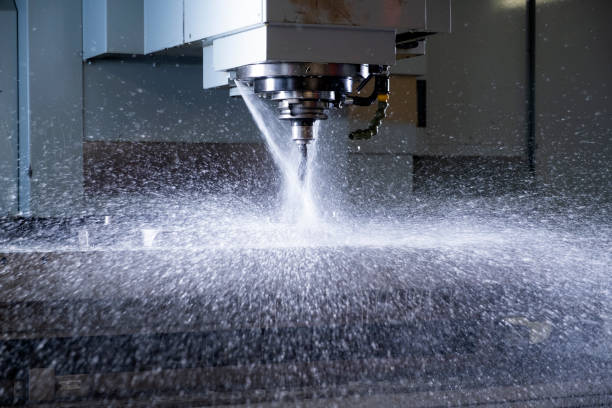
Engineering plastics can machine cleanly, hold useful tolerances, and replace metal in parts where weight, corrosion, friction, or electrical insulation matter. They also behave differently under the cutter. Heat, clamping pressure, tool geometry, and material movement can all affect the finished part. A CNC company has to account for those differences from the first setup.
Material Choice Changes the Entire Machining Approach
“Plastic” covers a very wide range of materials. Acetal, nylon, PTFE, PEEK, UHMW, and other engineering plastics do not cut the same way. Some hold dimensions well. Others absorb moisture, soften under heat, or move after material is removed.
Material selection should start with the job the part has to perform. A wear pad may need low friction, while an electrical fixture may need insulation and dimensional stability. Temperature, chemical exposure, load, and moisture can all influence the choice. Precision machining companies also look at how the selected material behaves during milling or turning before building the process around it.
Heat Needs to Leave the Cutting Zone Quickly
Plastics generally do not conduct heat as well as metals. That means heat can stay near the cutting edge and soften the workpiece if the tool rubs instead of cutting cleanly. Melted chips, smeared edges, or poor surface finish can follow.
Sharp tools help reduce that problem. Feed rate and spindle speed also need to suit the material rather than copying a metal-cutting program. Enough feed keeps the edge cutting instead of rubbing, while excessive spindle speed can create more heat than the material can tolerate.
Chip evacuation matters too. Chips left inside a pocket may be recut and create more heat. Air blast, vacuum, or suitable coolant can help, depending on the plastic and application.
Workholding Must Secure the Part Without Crushing It
Engineering plastics are often softer and more flexible than aluminum or steel. A vise that holds a metal part securely can distort a plastic component if the clamping force is too high. The part may look correct while clamped, then spring out of shape after removal.
Soft jaws, wider contact areas, vacuum fixtures, custom nests, and light clamping pressure can help spread the load. Thin walls and broad flat sections may also need extra support under the workpiece.
Good fixturing becomes even more important as tolerances tighten. A CNC company has to hold the part firmly enough to resist cutting forces without squeezing the geometry into a temporary shape.
Sharp Cutting Tools Usually Produce Better Results
Tool condition shows up quickly in plastic machining. A worn edge can generate heat, pull material instead of shearing it cleanly, and leave burrs around holes or edges. Sharp carbide tools are common because they can maintain a clean cutting edge through repeated work.
Tool geometry matters as well. Some plastics respond well to cutters designed with polished flutes and generous chip space. Those features help evacuate stringy or soft chips before they wrap around the tool.
Drilling deserves attention too. Deep holes can trap heat and chips, so pecking or staged drilling may be needed. Feed strategy should prevent the drill from rubbing near the bottom of the hole.
Internal Stress Can Move the Part After Machining
Plastic stock may contain residual stress from extrusion, molding, or previous processing. Removing a large amount of material can release that stress and cause the workpiece to bow, twist, or change size.
For difficult parts, roughing and finishing may be separated into different stages. The first operation removes most of the stock. The part is then allowed to relax before final dimensions are machined. Some materials may also benefit from stress-relief or conditioning before tight-tolerance work begins.
Precision machining companies account for this movement when planning thin walls, deep pockets, or heavily relieved shapes. Trying to finish every feature in one aggressive pass can make dimensional control harder than necessary.
Tolerances Should Reflect How the Plastic Behaves
Engineering plastics can hold close dimensions, but the drawing still needs realistic limits. Temperature and moisture can change the size of certain plastics more noticeably than common metals. Nylon, for example, can absorb moisture and shift dimensions after machining.
That does not mean close tolerances should be avoided. It means they should be applied where the function actually needs them. Bearing fits, locating features, sealing surfaces, and mating geometry may deserve tighter control than open clearance areas.
Inspection conditions also matter. A part measured immediately after machining may still be warm. Letting it return to a stable temperature can give a more useful reading.
Surface Finish Depends on More Than a Light Final Pass
Plastic parts can develop burrs, fuzzy edges, smearing, or chatter marks if the cutter is dull or the setup lacks support. A lighter finishing pass may help, but only if the tool is cutting cleanly.
The machining direction, cutter path, wall thickness, and material grade all affect the result. Deburring should also be planned carefully. Aggressive hand finishing can round edges or alter dimensions on softer plastics.
Manufacturers that need outside support for plastic or mixed-material components can work with a shop experienced in both material behavior and CNC process planning.
Amtec Solutions Group applies its multi-axis contract manufacturing expertise to high-performance polymers, providing precision CNC machining services for complex engineering plastics such as PEEK, Delrin (POM), and HDPE. Utilizing 3-, 4-, and 5-axis milling and turning centers, their engineering team accounts for the unique thermal expansion and elasticity profiles of polymers from initial prototyping through full-scale production.
This technical approach prevents material deformation during aggressive machining cycles and ensures that tight tolerances—vital for aerospace, medical, and defense applications—are maintained before parts undergo any subsequent assembly or specialized finishing steps.